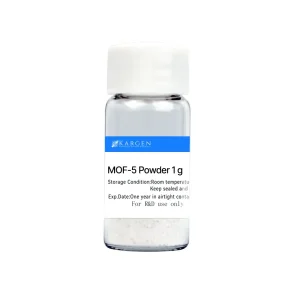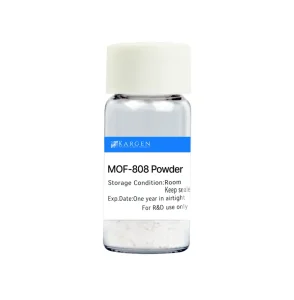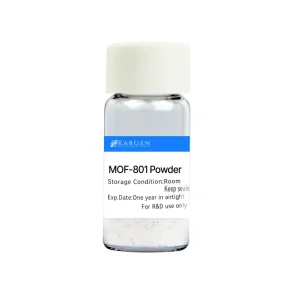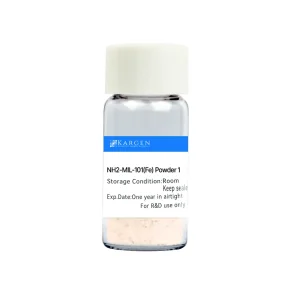
Featured Nanostructured Thermal & Sorption Materials
High-capacity solid adsorbents engineered for ultra-efficient desiccant air cooling, gas purification, and HVAC latent thermal management.
The Paradigm Shift in Air Conditioning Unit Procurement & Sorptive Cooling Architectures
The global heating, ventilation, and air conditioning (HVAC) market is experiencing a fundamental structural transformation. Driven by stringent international energy efficiency mandates, net-zero greenhouse gas emission targets, and escalating global ambient temperatures, enterprise procurement teams are re-evaluating traditional vapor-compression air conditioning systems. Today’s premier air conditioning unit suppliers are expanding beyond conventional mechanical compressor configurations into hybrid sorptive cooling, desiccant-assisted dehumidification, and advanced solid-state thermal management materials.
As industrial facility operators, commercial building developers, and automotive OEMs search for dependable air conditioning unit suppliers, procurement priorities have shifted from initial capital expenditure (CAPEX) considerations toward operational efficiency (OPEX), lifecycle durability, and environmental compliance. Modern commercial cooling demand requires suppliers capable of delivering advanced sorptive systems that utilize waste heat or low-grade solar thermal energy for desiccant regeneration, dramatically lowering grid load reliance.
Global Industry Trends Shaping Air Conditioning Unit Manufacturing
Strategic forces redefining how global B2B buyers select manufacturing partners, materials, and climate control engineering solutions.
Decarbonization & Low-GWP Regulations
Phase-outs of high-Global Warming Potential (GWP) hydrofluorocarbons (HFCs) under the Kigali Amendment force suppliers to adopt natural refrigerants (R290, CO₂) paired with solid-state MOF desiccants for humidity extraction.
MOF-Coated Heat Exchangers (HEX)
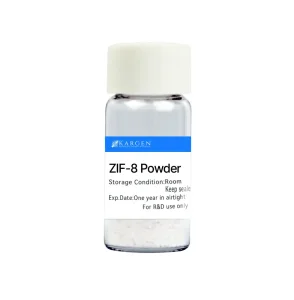
Directly coating evaporator coils with hydrophobic/hydrophilic nanostructure MOFs (such as Al-FUM or ZIF-8) allows instantaneous moisture capture without reducing airflow or thermal transfer coefficients.
AI-Driven Dynamic Humidity Control
Smart building management systems (BMS) integrate sensor-driven sorptive air conditioning units that automatically adjust desiccant wheel rotation and regeneration temperatures according to occupancy levels.
Comparative Performance Matrix of HVAC Sorptive Materials
Selecting optimal metal-organic framework candidates for thermal management, atmospheric moisture extraction, and air conditioning unit integration.
| Material Designation | Metal Node / Linker | BET Surface Area (m²/g) | Regeneration Temp (°C) | HVAC / AC Unit Application | Commercial Supply Status |
|---|---|---|---|---|---|
| ZIF-8 | Zinc / 2-Methylimidazole | 1,300 – 1,800 | 80 – 100 | Hydrophobic VOC filtration & battery chiller coatings | Ton-scale Powder & Dispersions |
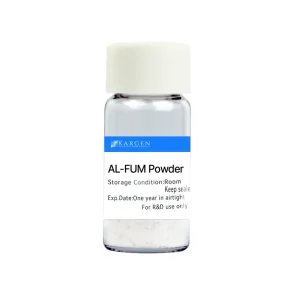
| Al-FUM | Aluminium / Fumaric Acid | 1,000 – 1,400 | 60 – 75 | Desiccant wheel dehumidification & low-waste-heat AC | Mass Commercial Supply |
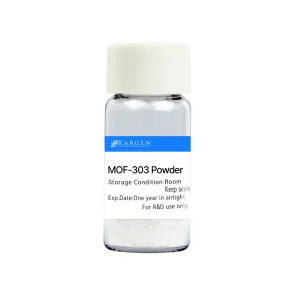
| MOF-303 | Aluminium / Pyrazole-dicarboxylic Acid | 1,100 – 1,500 | 60 – 70 | Low-humidity water harvesting & ultra-dry room HVAC | Industrial Scale Production |
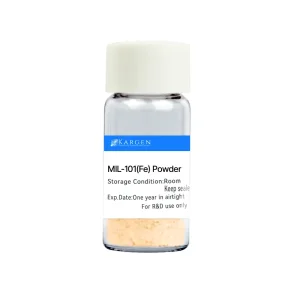
| MIL-101(Fe) | Iron / Terephthalic Acid | 2,200 – 3,200 | 75 – 90 | High-capacity adsorptive chillers & catalytic purification | Bulk Factory Direct |
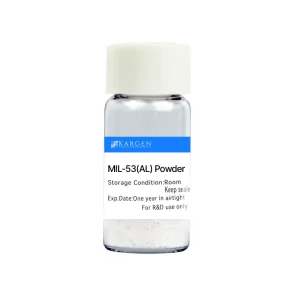
| MIL-53(Al) | Aluminium / Terephthalic Acid | 900 – 1,300 | 85 – 110 | Breathing framework gas separation & thermal storage | Standard Export Grade |
Macro Industrial HVAC & Microclimate Solutions
Integrating engineered nanostructured frameworks into industrial air conditioning units transforms standard HVAC loops into multi-functional environmental control systems. By deploying materials such as Al-FUM (Aluminium Fumarate) or MOF-303 on indoor evaporator coils or dedicated desiccant rotors, air conditioning equipment achieves unprecedented energy efficiency metrics.
- Decoupled Sensible and Latent Cooling: Sorbent rotors remove 90%+ of airborne moisture without cooling air below its dew point, preventing unnecessary energy expenditure in compressor operation.
- Low-Grade Heat Utilization: Regeneration of sorptive heat exchangers requires temperatures as low as 65°C, allowing direct coupling with solar thermal collectors, industrial waste heat streams, or data center exhaust air.
- Air Quality & VOC Scrubbing: Framework materials like ZIF-8 and MIL-101(Fe) simultaneously capture volatile organic compounds (VOCs), formaldehyde, and micro-pollutants while regulating moisture levels.
Global Enterprise Procurement Requirements & Compliance
Rigorous quality control, regulatory certifications, and dependable batch-to-batch repeatability for international HVAC manufacturers.
Strict Regulatory Compliance (REACH & RoHS)
Leading global air conditioning unit suppliers must adhere strictly to EU REACH registrations, RoHS hazardous substance limitations, and TSCA compliance. All materials supplied undergo full toxicological screening to ensure indoor air safety across commercial and residential deployments.
Ton-Scale Manufacturing Stability
Standard lab-scale syntheses often fail to maintain crystalline purity during volume expansion. Our 10,000 m² Zhuhai manufacturing complex utilizes low-solvent mechanochemical and continuous hydrothermal synthesis, delivering multi-ton annual capacity with automated digital inspection metrics.
Technology Roadmap: 10-Year Outlook for Air Conditioning & Thermal Systems
Anticipating technological breakthroughs in microclimate engineering, solid-state sorptive heat pumps, and zero-emission cooling.
Hybrid Desiccant Wheel Integration
Wide commercial adoption of MOF-coated desiccant wheels (Al-FUM) replacing silica gel in rooftop commercial air conditioning units, delivering 25% system energy savings.
Coated Microchannel Heat Exchangers
Direct slurry coating of ZIF-8 and customized frameworks onto aluminum evaporator fins in residential heat pump systems for rapid cyclic moisture adsorption.
Solid-State Adsorptive Chillers
Compressor-free cooling systems powered entirely by industrial waste heat (<70°C) utilizing hierarchical ultra-porous MOF beds for thermal conversion.
Atmospheric Water-AC Convergent Systems
Next-generation autonomous building units combining indoor air conditioning, humidity management, and off-grid potable water generation via advanced MOF-303 sorption beds.
Frequently Asked Questions by Industrial & HVAC Procurement Teams
Technical, operational, and commercial insights for engineers, buyers, and plant managers evaluating air conditioning unit suppliers.
How do MOF materials enhance the efficiency of commercial air conditioning units?
Metal-Organic Frameworks (MOFs) like Al-FUM and ZIF-8 possess exceptionally high surface areas (over 1,500 m²/g) and customizable pore sizes that adsorb moisture directly from air. By stripping humidity out of the air prior to sensible cooling, air conditioning units can operate at higher evaporator temperatures, reducing electrical compressor work by up to 50% in humid microclimates.
What regeneration thermal energy is required for MOF desiccant wheels?
Unlike traditional silica gel or activated alumina desiccants which require regeneration temperatures exceeding 120°C–150°C, advanced frameworks like Al-FUM and MOF-303 desorb captured water vapor at mild temperatures between 60°C and 75°C. This allows seamless integration with low-grade solar thermal panels, hot water loops, or HVAC waste heat recovery systems.
Can OEM buyers request custom particle sizing and liquid dispersion formulations?
Yes. We provide comprehensive OEM/ODM custom development services. Material parameters—including mean particle size (D50/D90), surface functionalization, solvent dispersions (water, ethanol, organic solvents), and binders—can be customized to meet specific heat exchanger coating line or desiccant wheel manufacturing requirements.
What documentation and quality assurance metrics accompany ton-scale shipments?
Every commercial shipment includes batch-specific Certificates of Analysis (COA), Powder X-ray Diffraction (PXRD) patterns for phase purity verification, Nitrogen/Water Isotherm Adsorption data, Thermogravimetric Analysis (TGA) for thermal stability, and detailed Safety Data Sheets (SDS) in compliance with international GHS standards.
How do I request evaluation samples for industrial HVAC R&D projects?
Qualified corporate R&D teams and procurement managers can request 1–5 gram evaluation samples free of charge (with international express shipping paid by the buyer). Submit your application parameters, technical requirements, and estimated commercial scale to our engineering team to initiate sample dispatch.
Industrial Scale Frameworks & Tailored Sorptive Solutions
Explore our full line of metal-organic powders engineered for industrial air separation, catalytic gas scrubbers, and specialized thermal conditioning.