
Featured Energy-Efficient Air Conditioner Materials & Components
Explore high-performance metal-organic framework (MOF) sorbents and advanced thermal adsorbents engineered for ultra-low power desiccant air conditioners and climate control systems.
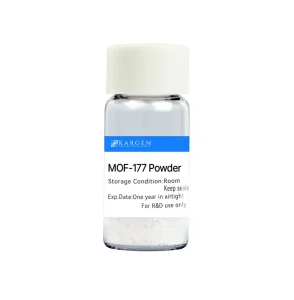





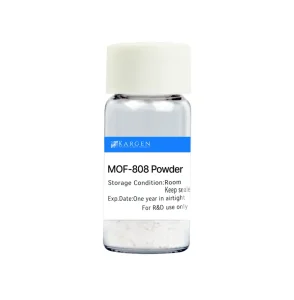

Macro Industry Dynamics: The Paradigm Shift in Global Cooling Efficiency
Analyzing decarbonization directives, zero-GWP refrigerants, and the integration of novel adsorbent materials in modern HVAC architectures.
Thermal Efficiency & Climate Mandates
Global space cooling accounts for nearly 10% of total worldwide electricity consumption and remains one of the fastest-growing drivers of energy demand in commercial and residential buildings. As global regulations like the Kigali Amendment, EU F-Gas Regulation, and US AIM Act phase out high-GWP hydrofluorocarbons (HFCs), HVAC manufacturers are forced to overhaul conventional vapor-compression cycles.
Leading energy efficient air conditioner suppliers are moving beyond basic variable-refrigerant-flow (VRF) innovations toward hybrid solid-state desiccant cooling. By decoupling sensible (temperature) and latent (humidity) heat loads, systems utilizing advanced adsorbents reduce compressor work by up to 45-55% in tropical and high-humidity operational zones.
Information Gain: MOF-Assisted Dehumidification
Traditional air conditioning systems cool air below its dew point to condense water vapor, wasting immense amounts of electrical power just to remove moisture, before re-heating the air to a comfortable supply temperature. This redundant thermal cycling degrades system Seasonal Energy Efficiency Ratio (SEER) and Annual Performance Factor (APF).
Next-gen OEMs collaborate directly with specialized nanotech chemical factories to apply Metal-Organic Frameworks (MOFs) like Al-FUM and MOF-801 onto heat exchangers. MOF coatings adsorb water vapor directly from incoming ambient air at low temperatures and regenerate using low-grade waste heat (55°C–70°C), unlocking unprecedented energy savings for commercial HVAC infrastructure.
Procurement Intelligence Note for Global Buyers
When sourcing energy-efficient HVAC units or custom OEM chillers, evaluating only compressor EER (Energy Efficiency Ratio) is no longer sufficient. Modern procurement standards require evaluating Total System Life-Cycle Efficiency (LCC), part-load performance (IEER/SEER2), and desiccant-assisted humidity control capability.
Comprehensive Technical Benchmark Matrix: HVAC Architecture Comparison
Engineering comparison of mainstream commercial air conditioning technologies across key performance metrics, lifecycle costs, and structural advantages.
| System Architecture | Cooling Technology | Typical COP / SEER Range | Latent Load Handling | Ideal Application Scenario | Primary Supply Source |
|---|---|---|---|---|---|
| Inverter VRF / VRV Systems | DC Inverter Rotary/Scroll Compressor | COP: 3.8 – 4.8 / SEER: 18 – 24 | Moderate (Condensation based) | Commercial Offices, Multi-tenant Residential | China OEMs (Guangdong, Zhejiang) |
| MOF-Desiccant Hybrid AC | Solid-State Sorption + Inverter Cycle | COP: 5.5 – 7.2 / SEER: 28 – 35+ | Ultra-High (Isothermal adsorption) | Data Centers, Cleanrooms, Tropical Resorts | Nanotech Specialized China Suppliers |
| Magnetic Bearing Chillers | Oil-Free Centrifugal Compressor | COP: 6.0 – 9.5 (Part-load) | Requires secondary air handler | Large-Scale District Cooling, Airports | Global Tier-1 & China Industrial Plants |
| Solar-Assisted Absorption AC | Thermal Evaporative + Solar Collectors | Thermal COP: 0.8 – 1.4 | High (Liquid desiccant integration) | Off-grid Facilities, High Solar Irradiation Regions | Specialized Industrial Exporters |
Why China is the Global Hub for Energy-Efficient Air Conditioner Manufacturing
Unpacking the structural, supply chain, and technological moats driving China's dominant position as the premier supplier for global HVAC OEMs.
Full Supply Chain Integration
China hosts the world's most concentrated air conditioning supply chain ecosystem, centered around the Pearl River Delta (Zhuhai, Foshan, Zhongshan) and Yangtze River Delta (Ningbo, Hangzhou). From micro-channel heat exchangers, DC inverter motors, and electronic expansion valves (EEV) to advanced chemical synthesis factories producing microporous MOF sorbents, 95% of component sourcing occurs within a 50-kilometer radius.
Massive R&D & Nanotech Scalability
China leads global patent filings in advanced material chemistry and thermal management. Facilities in Zhuhai and Guangdong have transitioned laboratory-scale sorbent powders like HKUST-1, MOF-801, and ZIF-8 into multi-ton annual industrial outputs. This scalable synthesis drastically lowers the bill-of-materials (BOM) cost for next-generation desiccant air conditioners.
Strict Quality Control & Global Certifications
Top China factories operate under automated Industry 4.0 inspection regimes. Export-grade manufacturing lines adhere strictly to ISO 9001, ISO 14001, CE, UL, AHRI (Air-Conditioning, Heating, and Refrigeration Institute), and Eurovent standards, providing international buyers with fully traceable, reliable batch documentation.
4 Key Trends Reshaping Energy Efficient Air Conditioning Suppliers
From AI-assisted inverter tuning to solid-state desiccant cooling, explore the innovations defining the next decade of climate control.
1. Heat Recovery & Waste-Heat Driven Regeneration
Modern commercial buildings waste gigajoules of low-grade thermal energy through condenser exhausts and process streams. Top-tier suppliers are building hybrid HVAC systems that capture condenser waste heat (around 60°C) and cycle it directly into regenerating solid-state MOF desiccant wheels, turning operational waste into free dehumidification power.
2. AI-Driven Smart Variable Compression
Integration of IoT edge sensors and AI predictive algorithms allows air conditioners to dynamically modulate compressor speed, refrigerant flow, and fan speeds in real-time based on occupancy density, external solar gain, and indoor humidity gradients. This prevents "over-cooling" and minimizes part-load energy losses.
3. Ultra-Low GWP Natural Refrigerants (R290 Propane & R32)
Leading China manufacturers have established dedicated production lines for R290 (Propane) unit chillers and split systems. Propane offers superior thermodynamic efficiency and zero ozone depletion potential (ODP) with a GWP of less than 3, meeting the strictest EU environmental standards ahead of regulatory deadlines.
4. Nano-Coated Hydrophilic Heat Exchangers
Surface engineering on evaporator fins using nano-coatings and porous metal-organic coatings prevents condensate drop accumulation, reduces airflow resistance by up to 18%, and dramatically inhibits mold and bacterial growth, maintaining peak heat transfer efficiency over decades of use.
Localized Application Scenarios & Macro Industry Solutions
Tailored energy-efficient cooling deployments optimized for distinct climatic, structural, and industrial operational constraints.
Scenario A: Tropical & High-Humidity Commercial Infrastructure
Challenge: Facilities in Southeast Asia, Latin America, and Coastal Middle East operate under extreme relative humidity (>80% RH), causing traditional AC compressors to run continuously at peak electrical load for latent moisture removal.
Solution: Integration of MOF-801 desiccant wheels or MOF-coated microchannel heat exchangers into fresh air handling units (FAHU). The desiccant captures ambient water vapor before it reaches the cooling coil, allowing the main AC unit to operate at a higher evaporation temperature (14°C instead of 7°C), boosting overall energy efficiency by 38%–50%.
Scenario B: Hyperscale Data Centers & Tech Parks
Challenge: Constant 24/7 sensible heat generation with zero tolerance for cooling downtime or humidity spikes that cause electrostatic breakdown.
Solution: Implementation of magnetic-bearing centrifugal liquid chillers paired with indirect evaporative cooling (IEC) units featuring porous nanotech heat sinks. Power Usage Effectiveness (PUE) drops from 1.6 to sub-1.15, saving millions of kWh in annual energy expenditures for data facility operators.
Scenario C: European Retrofit & Heritage Building Upgrades
Challenge: Architectural restrictions prohibiting extensive outdoor condenser ducting and strict noise emission standards in dense urban areas.
Solution: Ultra-compact ductless multi-split inverter systems leveraging high-density micro-channel exchangers and sound-dampening acoustic enclosures from China OEM suppliers. Units comply fully with EU ErP Directive Lot 10/11 efficiency and acoustic standards.
Scenario D: Cold Chain Logistics & Agricultural Storage
Challenge: Maintaining ultra-precise multi-zone temperature controls while minimizing continuous generator or grid power usage in remote locations.
Solution: Solar-PV coupled DC inverter refrigeration chillers equipped with phase-change material (PCM) and HKUST-1 porous storage beds, guaranteeing uninterrupted cold preservation during solar power fluctuations.
Global B2B Procurement Strategy: Evaluating Suppliers & Managing Risks
A rigorous 4-step supplier qualification framework for international engineering buyers, distributors, and EPC contractors.
1. Factory Audit & Quality Management
Verify that supplier facilities possess ISO 9001 quality management, automated helium leak detection for refrigerant lines, enthalpy lab testing chambers, and full raw-material inspection logs.
2. Compliance & Environmental Verification
Ensure split and chiller systems carry valid AHRI performance verifications, CE mark, UL listing, RoHS compliance, and safety certifications for flammable refrigerants (A3/A2L standards).
3. OEM/ODM Customization Capabilities
Assess supplier R&D capacity for custom voltage/frequency adaptations (e.g., 60Hz North America/Middle East grids), tropicalized compressor selection (T3 climate rating), and specialized anti-corrosion fins (Gold Fin/Blue Fin).
4. Supply Chain & After-Sales Logistics
Confirm guaranteed availability of critical spare parts (compressors, PCB control boards, EEVs), minimum 5-year warranty terms, local service partner support, and robust packaging for long-distance ocean freight.
Frequently Asked Questions (FAQ) for HVAC Procurement Officers
Expert answers addressing system efficiencies, MOQ requirements, MOF desiccant integration, and long-term operating costs.
Industrial-Grade Air Conditioning Sorbents & Advanced Material Supply
Direct factory supply of specialized nanotech materials, catalyst powders, and framework structures for next-generation cooling and gas separation systems.




