
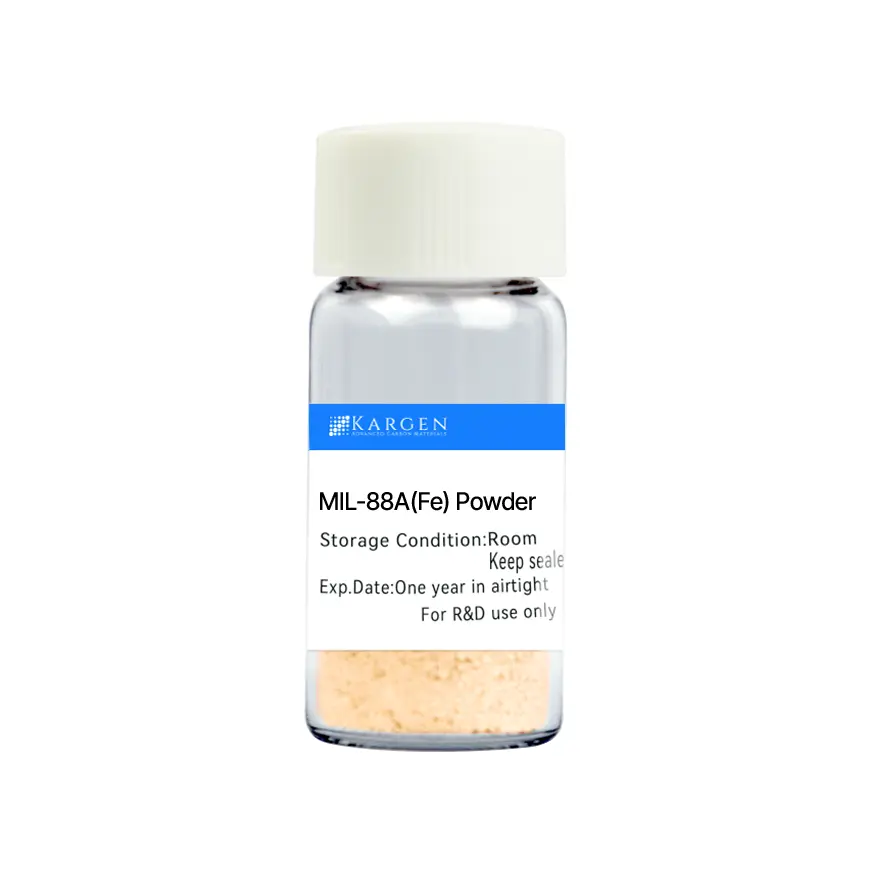
Best MIL-88A(Fe) Powder Metal Organic Frameworks (MOFs) Supplier, Exporters
Product Description
| Product Name | MIL-88A(Fe) |
| Particle size | 0.1~0.2 μm |
| Specific surface area | ≥28 ㎡/g |
| Pore size | 0.4~2.0 nm |
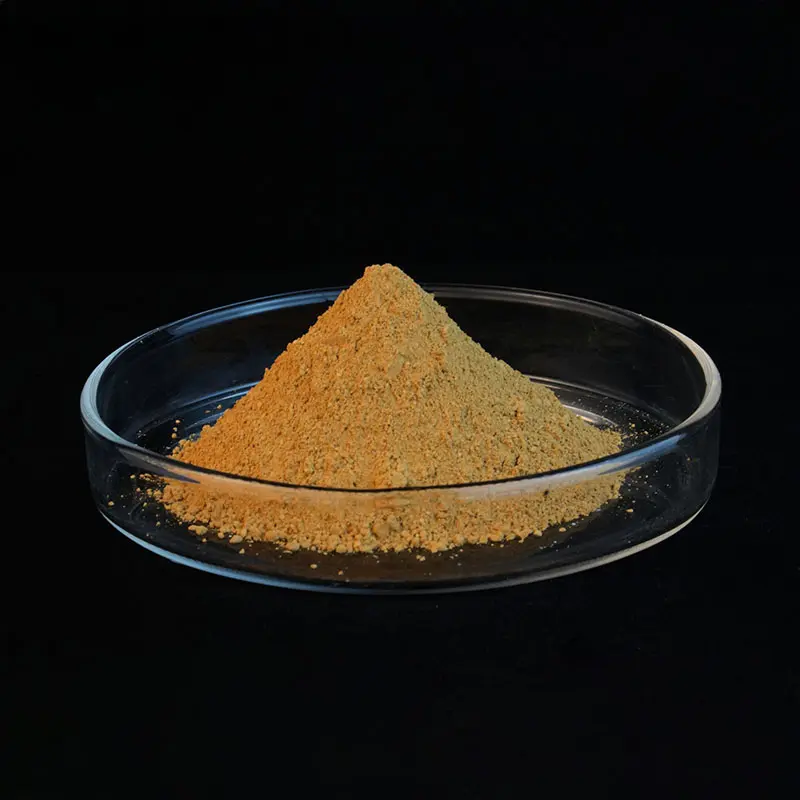
MIL-88A(Fe), a brown powder form of Metal Organic Frameworks (MOFs), is synthesized using FeCl3·6H2O and sodium fumarate. This MOF has emerged as a promising material for environmental remediation and catalysis, showcasing its ability to activate hydrogen peroxide (H2O2) in photo-self Fenton systems. This activation is instrumental in the degradation of pollutants such as tetracycline and 2,4-dichlorophenoxyacetic acid (2,4-D) under visible light, achieving remarkable removal efficiencies and bacterial inactivation rates.
The integration of MIL-88A(Fe) with other materials, like V2CTx MXene, has been demonstrated to enhance its electrocatalytic properties, particularly for nitrogen reduction. This has led to improved yields and selectivity of ammonia, a critical component in various industrial processes and a key nutrient in agricultural fertilizers.
Optimization of MIL-88A(Fe) synthesis through ultrasonic methods has been shown to expedite the synthesis process while maintaining high yields. This method is particularly beneficial in the production of biologically active compounds, such as benzoxazoles, which have potential applications in pharmaceuticals and agrochemicals.
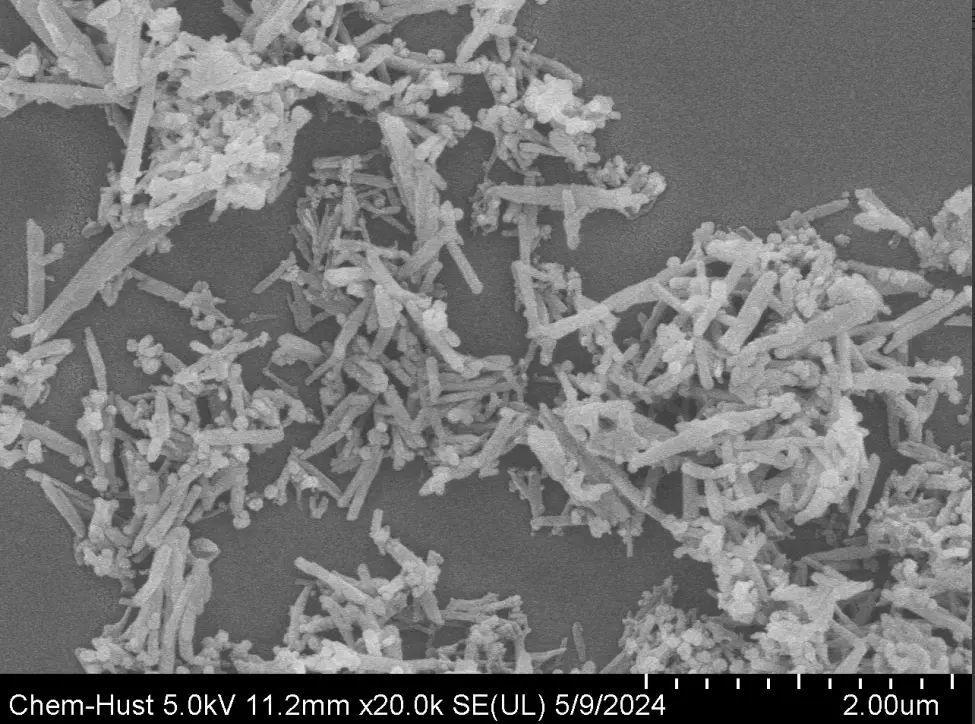
Physically, MIL-88A(Fe) is characterized by its particle size, with a width of 50 nm and a length ranging from 500 to 2000 nm. Despite its specific surface area being less than 100 ㎡/g, the MOF offers a versatile pore size range from 0.4 to 2.0 nm, accommodating a variety of applications that require different degrees of molecular sieving.
MIL-88A(Fe) stands out as a sustainable and efficient catalyst with a broad spectrum of applicability in environmental and synthetic chemistry. Its multifunctional nature and the ongoing research into its properties and applications ensure that MIL-88A(Fe) will continue to be a significant player in the development of eco-friendly and high-performance materials for a wide range of industries.









