Best ZIF-67 Powder Metal Organic Frameworks (MOFs) Exporters, Exporter

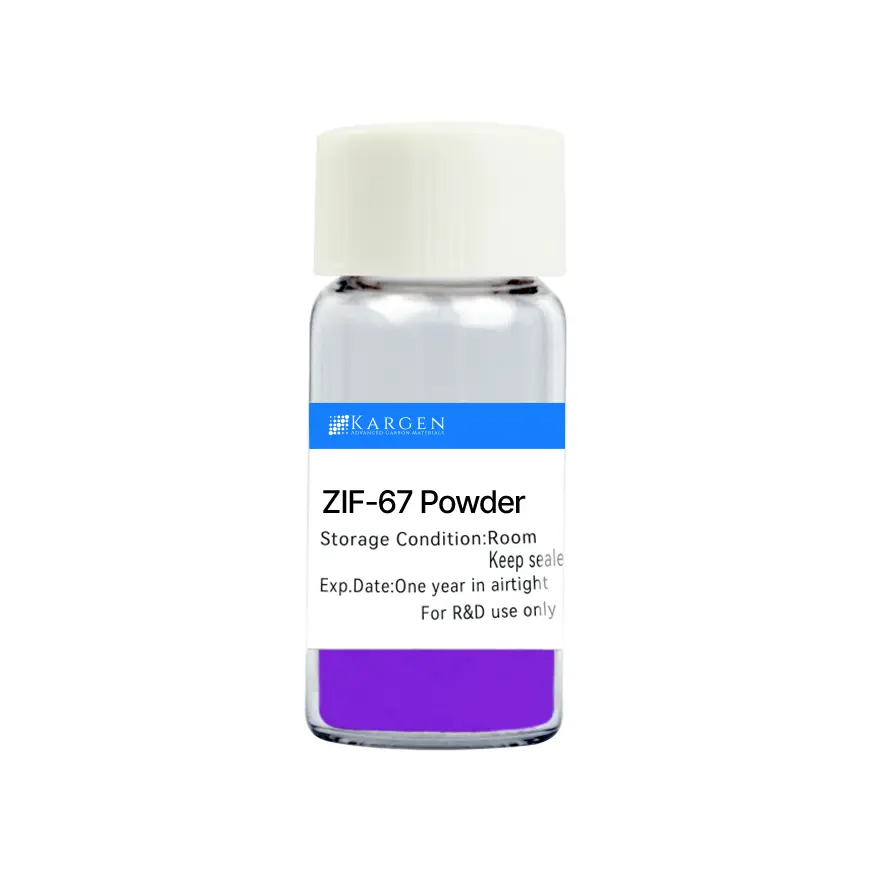
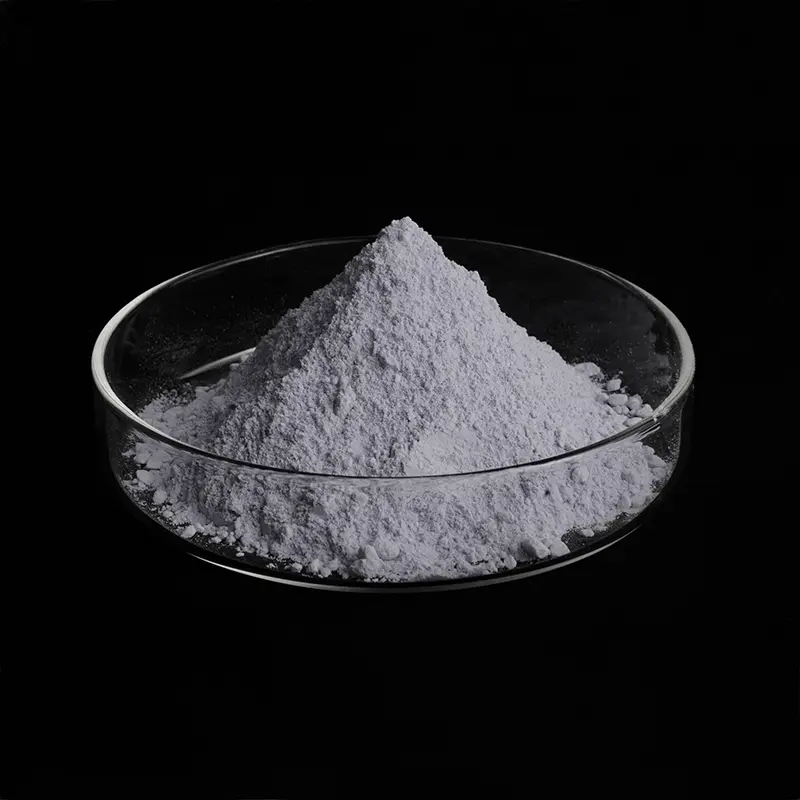
ZIF-67 (Co(Hmim)2, where Hmim is 2-methylimidazole) is a zeolitic imidazolate framework consisting of cobalt ions (Co²⁺) and 2-methylimidazolate anions. It features a cubic crystal symmetry with unit cell parameters a = b = c = 16.9589 Å. ZIF-67 boasts a high surface area (SBET > 1700 m²/g), providing numerous active sites, and its micropores (approximately 0.34 nm in diameter) are well-suited for reactions due to their strong affinity for guest molecules.

Product Description

Product Name ZIF-67
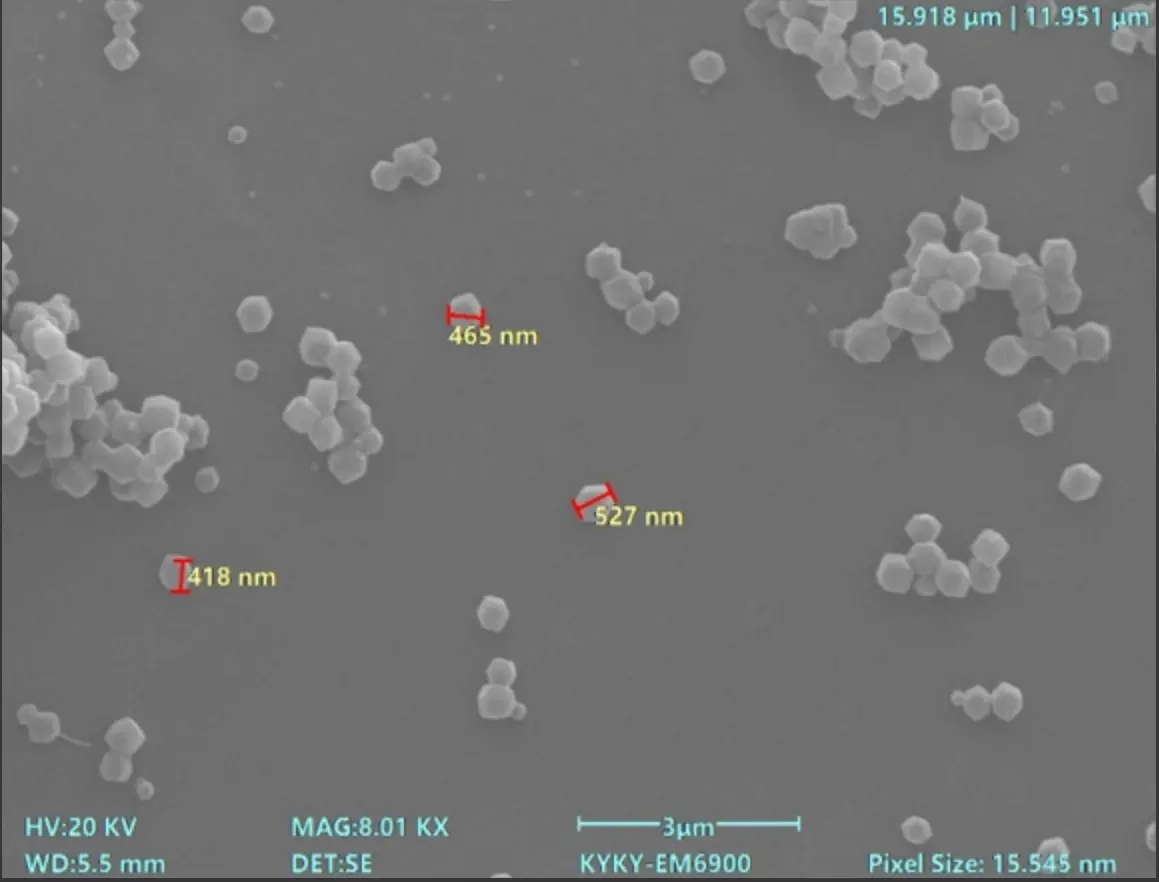
Particle size 400~500 nm
Specific surface area ≥2100 ㎡/g
Pore size 0.5~0.9 nm
Product Applications & Features

ZIF-67 has been employed in biosensing and disease diagnosis, where it is integrated into composites to enhance catalytic and electrocatalytic activities. It has also been studied in cement composites, where it enhances the compressive strength and microstructure of the cement. Additionally, ZIF-67 has been investigated as a catalyst for the selective catalytic reduction of NOx using CO as a reducing agent, demonstrating high activity under aerobic conditions. Furthermore, ZIF-67 has shown promise in the efficient photoreduction of CO2, delivering excellent photocatalytic performance and a high CO yield. ZIF-67 films have also been fabricated on various substrates for supercapacitor applications, exhibiting strong electrochemical properties.

Frequently Asked Questions
What are the primary physical specifications of ZIF-67?
ZIF-67 features a particle size of 400~500 nm, a high specific surface area of ≥2100 ㎡/g, and a pore size ranging from 0.5 to 0.9 nm.
How is ZIF-67 utilized in biosensing and disease diagnosis?
ZIF-67 is integrated into composite materials to significantly enhance both catalytic and electrocatalytic activities required for precise biosensing and disease diagnostic applications.
What benefits does ZIF-67 bring to cement composites?
When incorporated into cement composites, ZIF-67 effectively enhances the overall compressive strength and refines the internal microstructure of the cement.
What role does ZIF-67 play in NOx reduction?
ZIF-67 acts as an efficient catalyst for the selective catalytic reduction of NOx using CO as a reducing agent, demonstrating high catalytic activity under aerobic conditions.
Is ZIF-67 effective for CO2 photoreduction and supercapacitors?
Yes, ZIF-67 delivers excellent photocatalytic performance for CO2 photoreduction with a high CO yield. Additionally, ZIF-67 films fabricated on various substrates exhibit strong electrochemical properties suitable for supercapacitors.

Related Products