
Industrial Grade MOF Powders for Advanced Research & Scaling
High-purity metal-organic framework materials engineered with controlled particle size distributions, custom pore volumes, and high biocompatibility profiles.

High-Quality China Suppliers and Factory for KAUST-7 Powder Metal Organic Frameworks (MOFs) with High Stability and CO2 Selectivity Service, Exporters

High-Quality China Suppliers of MIL-53(Al) Powder Metal Organic Frameworks (MOFs) from a Reliable Factory Exporters, Exporter

Best Customized MOF Powder Metal Organic Frameworks (MOFs) Suppliers, Supplier

High-Quality ZIF-93 Powder Metal Organic Frameworks (MOFs) Supplier, Exporters

Best MIL-101(Fe) Powder Metal Organic Frameworks (MOFs) – Reliable China Suppliers & Factory for Adsorption and Catalysis Service, Suppliers

Best TYUT-12 MOF: High-Performance Adsorbent from China Suppliers and Factory for Hydrocarbon Separation Suppliers, Supplier
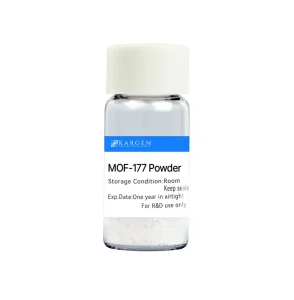
Best MOF-177 Powder Metal Organic Frameworks (MOFs) Suppliers, Exporter

Best ZIF-67 Powder Metal Organic Frameworks (MOFs) - China Suppliers and Factory Offering High Surface Area Products Supplier, Exporters
The Commercial Landscape of MOF-Based Drug Delivery Systems
Bridging the gap between synthetic reticular chemistry and next-generation clinical therapeutics: How nano-MOFs are re-defining target drug encapsulation, bio-distribution, and controlled release.
Unprecedented Payload Capacity
Metal-Organic Frameworks (MOFs) possess record-breaking specific surface areas (up to 7,000 m²/g) and pore volumes exceeding 2.0 cm³/g. Unlike conventional liposomes or polymeric nanoparticles, MOFs can achieve active pharmaceutical ingredient (API) loading capacities of 30 wt% to over 80 wt% without premature burst leakage.
- Eliminates high vector-to-drug mass ratios
- Accommodates hydrophobic and hydrophilic drugs
- Protect labile biological macromolecules (mRNA/proteins)
Stimuli-Responsive Release
By tailoring coordination bonds between metal nodes (e.g., Fe³⁺, Zn²⁺, Zr⁴⁺) and organic linkers (e.g., imidazole, carboxylates), nano-MOFs exhibit programmable disassembly triggered by microenvironmental changes such as tumor acidosis (pH 5.5–6.5), intracellular glutathione (GSH), or specific enzyme expression.
- pH-triggered dissolution in endosomes/lysosomes
- Redox-responsive disassociation via disulfide linkages
- Zero-order sustained release over prolonged windows
Biocompatible & Degradable Nodes
Modern pharmaceutical MOFs utilize endogenous metal cations (such as Iron, Zinc, Magnesium, and Calcium) paired with bioactive or GRAS-listed linkers (e.g., amino acids, fumaric acid, adenine). This ensures non-toxic metabolism into natural bodily pathways upon cargo delivery.
- Low cytotoxicity verified via MTT/WST-1 assays
- Clearance via renal and hepatobiliary pathways
- Full compliance with ISO 10993 cytotoxicity guidelines
A rigorous quantitative comparison of drug delivery vectors highlights why pharmaceutical developers are transitioning toward Metal-Organic Frameworks for challenging oncological, gene delivery, and oral peptide formulations.
| Delivery Vector Platform | Max Payload Capacity (wt%) | Encapsulation Mechanism | Physiochemical Stability | Targeting / Functionalization | Regenerative Scale-Up Cost |
|---|---|---|---|---|---|
| Nano-MOFs (e.g. ZIF-8, MIL-100) | 30% - 85% | Pore encapsulation + Coordination bonding | High solid-state stability; tunable pH/redox degradation | Easy surface post-synthetic modification (PSM) | Low to Moderate (Continuous Microfluidics) |
| Liposomes / LNPs | 5% - 15% | Hydrophobic core / Hydrophilic shell entrapment | Sensitive to oxidation, shear stress, temperature | Requires complex lipid-anchor conjugation | High (High-pressure homogenization required) |
| Polymeric Nanoparticles (PLGA) | 10% - 25% | Matrix entrapment & hydrophobic adsorption | Moderate; subject to hydrolytic degradation | End-group chemical functionalization | Moderate (Emulsion-evaporation methods) |
| Mesoporous Silica (MSNs) | 15% - 30% | Physical adsorption in silica mesopores | Extremely stable; slow/incomplete degradation | Silane coupling chemistry required | Low to Moderate (Sol-gel synthesis) |
Synthesis Strategies & Biomimetic Surface Modifications
From microfluidic continuous flow synthesis to cell-membrane camouflage: Ensuring stability, prolonged blood circulation, and cell-specific uptake.
Microfluidic & Mechanochemical Synthesis
To overcome traditional batch-to-batch inconsistencies in hydrothermal MOF synthesis, our engineering facilities utilize automated microfluidic chip reactors. This enables precise control over nucleation speed, crystal growth kinetics, and monodisperse particle size distribution (PDI < 0.1) tailored for intravenous injection.
Additionally, solvent-free mechanochemical ball-milling routes are implemented for green, industrial scale-up of bio-MOFs without toxic organic solvent residues (DMF/DEF free), meeting strict pharmacopeia residual solvent limits (ICH Q3C guidelines).
Biomimetic Cell Membrane Camouflage
Raw nano-MOFs often clear rapidly via the reticuloendothelial system (RES). To extend plasma half-life and enable homotypic tumor targeting, we provide custom surface functionalization services, including coating nano-MOF cores with natural cell membranes (erythrocyte, macrophage, cancer cell, or platelet membranes).
This biomimetic layer prevents opsonization by serum proteins, evades immune recognition, and enhances permeability and retention (EPR) effect in solid tumor tissues.
Core Bio-MOF Framework Families Supplied
ZIF-8 & ZIF-90
Zinc imidazolate frameworks exhibiting exceptional pH-sensitivity. Stable at physiological pH 7.4, but rapidly degrades in acidic endosomes (pH 5.0–6.0), making them ideal for intracellular delivery of nucleic acids (siRNA, mRNA, CRISPR-Cas9 complexes) and antineoplastic agents.
MIL-100(Fe) / MIL-101(Fe)
Biocompatible iron carboxylate frameworks with mesoporous cages (up to 34 Å). Features ultra-high loading capacity for bulky hydrophobic drugs (e.g., Doxorubicin, Paclitaxel, Curcumin) alongside intrinsic T2-weighted MRI contrast imaging capabilities.
UiO-66-NH2 & PCN-222
Zirconium-based MOFs offering unrivaled aqueous, thermal, and chemical stability. Ideal for surface post-synthetic modification via amide coupling with targeting ligands (folic acid, RGD peptides, hyaluronic acid, aptamers).
Zn-Adenine / Bio-MILs
Constructed exclusively from biomolecules (nucleobases, amino acids, vitamins, organic acids) and essential trace elements. Fully biodegradable with zero synthetic toxicity risk, designed for stringent systemic administration.
Rigorous EHS & Regulatory Assurance for Medical-Grade MOFs
Meeting global pharma standards: Complete characterization profiles, toxicity validation, and batch consistency for investigational new drug (IND) enablement.
Full Analytical Characterization
Every commercial batch is accompanied by a comprehensive Certificate of Analysis (CoA) including Powder X-Ray Diffraction (PXRD) phase purity, N2 adsorption-desorption BET surface area, Dynamic Light Scattering (DLS) size/zeta potential, ICP-MS trace metal analysis, and TGA thermal stability curves.
In Vitro & In Vivo Safety Testing
Our bio-evaluation laboratories provide standardized cytotoxicity screening (cell viability on NIH/3T3, HepG2, HUVEC lines), hemolysis rates (<2% required for systemic IV administration), ROS generation assays, and complement activation profiles to guarantee clinical transition safety.
Sterilization & Endotoxin Control
We implement validated low-temperature sterilization protocols (Gamma irradiation, ethylene oxide, or 0.22 µm membrane filtration for precursor solutions). Bacterial endotoxins are strictly controlled via LAL testing to maintain levels below 0.25 EU/mg for medical research grade products.
Macro Solutions & Localized Medical Application Scenarios
Transforming advanced drug delivery concepts into scalable clinical solutions across key therapeutic disciplines.
1. Targeted Tumor Microenvironment (TME) Oncology Delivery
Solid tumors present elevated interstitial fluid pressure, dense extracellular matrix, and acidic microenvironments. Our TME-responsive MOF carriers (such as ZIF-8 and MIL-100) selectively release chemotherapeutic agents (e.g., Doxorubicin, Cisplatin) inside acidic tumor tissues (pH 6.5) and cancer cells (pH 5.0), reducing off-target toxicity to healthy heart and kidney tissues.
- Targeted delivery to hypoxic cancer zones
- Synergistic chemo-photodynamic therapy (PDT) integration
- Reversal of multi-drug resistance (MDR) via co-delivery of P-gp inhibitors
2. Oral Delivery of Acid-Sensitive Peptides & Biologics
Oral administration of fragile protein drugs (e.g., Insulin, GLP-1 agonists, vaccines) is hampered by gastric acid degradation and poor intestinal mucosal permeability. UiO-66 and Zr-based MOF shells protect biological payloads against gastric pepsin (pH 1.2), dissolving smoothly upon entering neutral intestinal environments (pH 6.8–7.4) to enable oral biologic delivery.
- Protects tertiary protein structures from proteolytic cleavage
- Mucus-penetrating surface coatings (PEG / Chitosan functionalized)
- Eliminates cold-chain requirements for oral vaccines
3. Pulmonary Delivery & Inhaled Dry Powder MOFs
Direct pulmonary inhalation of antimicrobial and anti-inflammatory drugs offers high local concentrations for respiratory conditions (e.g., Cystic Fibrosis, Tuberculosis, Severe Pneumonia). Nano-MOFs synthesized with aerodynamically optimized mass median aerodynamic diameters (MMAD 1–5 µm) allow deep lung deposition and sustained alveolar drug release over 48+ hours.
- Reduced dosing frequency for chronic pulmonary infections
- High aerosolization efficiency (FPF > 60%)
- Dual encapsulation of antibiotics and biofilm-disrupting enzymes
4. Transdermal & Topical Dermatology Formulations
Topical application of poorly soluble dermatological APIs (e.g., Tazarotene, Tacrolimus, Corticosteroids) often leads to systemic side effects or skin irritation. Flexible MOF carriers penetrate the stratum corneum, creating localized reservoirs that release active ingredients continuously while maintaining skin barrier integrity.
- Extended topical retention with minimized systemic absorption
- Soothing encapsulation for irritable cosmetic/pharma actives
- UV-protective MOF matrices preventing API photodegradation
Technology Roadmap: Next-Gen MOF Therapeutics (2025 – 2035)
Anticipating regulatory milestones, AI-driven crystal design, and theranostic integration over the coming decade.
Phase 1: Standardization & IND Enablement 2025 - 2027
Establishment of standardized cGMP continuous microfluidic production lines for biocompatible ZIF and Iron-carboxylate nano-MOFs. Submission of comprehensive Master Files (DMF) to global regulatory agencies (US FDA, EMA, NMPA) for excipient and nanocarrier clearance.
Phase 2: AI Inverse Design & De Novo Bio-MOF Discovery 2028 - 2030
Integration of generative artificial intelligence and high-throughput reticular screening to design customized bio-MOFs tailored to specific drug molecular geometries. Automated prediction of host-guest binding affinities, degradation kinetics, and organotropic targeting properties.
Phase 3: Theranostic All-in-One Nanomedicine Platforms 2031 - 2035
Commercial deployment of smart theranostic MOFs combining PET/MRI radioisotope imaging, real-time spatial therapeutic tracking, and multi-stimuli targeted drug release for individualized precision medicine in oncology, neurology, and cardiology.
Frequently Asked Questions by Pharma & Research Partners
Detailed answers regarding technical specifications, custom synthesis, regulatory compliance, and sample evaluations.
What drug loading methods do you support for MOF nanocarriers?
We support three primary encapsulation methodologies tailored to your API's chemical structure:
- One-Pot Mechanochemical / Solvothermal Encapsulation: The API is added directly during MOF crystal nucleation. Ideal for small molecules and proteins that are stable under mild synthesis conditions, yielding up to 50–80 wt% loading.
- Post-Synthetic Immersion / Diffusion Loading: Pre-synthesized activated MOF nanoparticles are immersed in concentrated API solutions. Drug molecules spontaneously diffuse into pores driven by capillary action and host-guest interactions.
- Covalent / Coordination Surface Attachment: APIs or biological ligands are chemically conjugated to open metal sites or organic linker functional groups (e.g., -NH2, -COOH) on the MOF surface via EDC/NHS chemistry.
How do you guarantee batch-to-batch reproducibility for clinical scaling?
Batch consistency is guaranteed through our state-of-the-art continuous microfluidic synthesis platforms. Unlike traditional batch autoclaves that suffer from temperature and mass-transfer gradients, our automated chip reactors precisely regulate temperature (±0.1°C), flow rates, and mixing times. Every production batch undergoes automated inline quality monitoring with strict acceptance criteria: PXRD peak matching > 98%, BET surface area variation < ±5%, and DLS polydispersity index (PDI) < 0.12.
Are your MOF drug delivery carriers biocompatible and non-toxic?
Yes. Our pharmaceutical-grade product line focuses exclusively on low-toxicity metal nodes (such as Fe³⁺, Zn²⁺, Zr⁴⁺, Mg²⁺, Ca²⁺) and physiologically safe linkers (endogenous molecules, endogenous polycarboxylic acids, or GRAS-listed compounds). All pharmaceutical materials undergo standardized ISO 10993 cytotoxicity testing, endotoxin screening (< 0.25 EU/mg), and acute hemolysis assays. Detailed in vivo metabolic breakdown profiles and organ histopathology data are available under non-disclosure agreements (NDAs).
Can you customize MOF particle size for specific administration routes (e.g. IV vs Oral)?
Absolutely. Particle size is a critical determinant of biological fate. We offer fine control over MOF crystal dimensions based on your desired route of administration:
- Intravenous Injection (IV): Monodisperse nanoparticles sized between 50 nm and 150 nm to achieve long blood circulation and leverage the Enhanced Permeability and Retention (EPR) effect while avoiding splenic filtration.
- Oral & Gastrointestinal Delivery: Micro-sized aggregates or sub-micron particles (300 nm to 2 µm) optimized for intestinal mucosal capture and localized gastrointestinal therapy.
- Inhaled Pulmonary Formulations: Aerodynamically engineered particles (MMAD 1 µm – 5 µm) for optimal deep-lung deposition via dry powder inhalers (DPIs).
What is the process and timeline for requesting 1–5 g evaluation samples?
We provide 1–5 g evaluation samples to qualified B2B pharmaceutical, biotechnology, and academic research teams. To request a sample, submit your project requirements, target drug payload, and administration preferences via our direct contact channels. Our application scientists will review the request and reply within 1 business day. Standard off-the-shelf samples (ZIF-8, MIL-100(Fe), UiO-66) ship within 48 hours, while custom surface-modified samples typically ship within 2 to 3 weeks.
Industrial Scale MOF Materials & Solutions Catalog
High-stability MOF frameworks produced under strict quality control, exported worldwide for catalytic, gas separation, and advanced drug carrier developments.
High-Quality KAUST-7 MOFs from China Suppliers: High Stability and CO2 Adsorption Factory Solution Service, Exporters

High-Quality China MIL-100(Cr) Powder Metal Organic Frameworks (MOFs) Suppliers and Factory for Gas Separation and Catalysis Suppliers, Exporter

High-Quality China Suppliers and Factory of MIL-101(Cr) Powder Metal Organic Frameworks (MOFs) for Gas Adsorption and Catalysis Service, Exporters

High-Quality China Suppliers Factory for MOF-801 Powder Metal Organic Frameworks for Water Harvesting and Cooling Systems Service, Supplier

Best MIL-100(Fe) Powder Metal Organic Frameworks (MOFs) Service, Exporters
Best China MOF-801 Powder Metal Organic Frameworks - Top Suppliers & Factory for Water Harvesting and Cooling Systems Supplier, Exporters

High-Quality HKUST-1 MOFs Suppliers in China - Factory Direct for Superior Gas Adsorption and Separation Solutions Service, Supplier
High-Quality MIL-101(Cr) Powder Metal Organic Frameworks (MOFs) Service, Exporters